Sytech
Veslee Chemical
Get a Quote
Veslee Chemical

Sytech

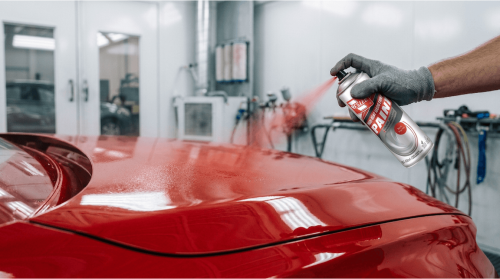
Choosing the right aerosol spray paint can make or break your project. Whether you're refinishing automotive parts, applying protective coatings to industrial equipment, or adding a fresh coat to household items, understanding the key factors in spray paint selection ensures professional results every time.
In this comprehensive guide, we'll walk you through the essential considerations—from paint types and surface compatibility to finish options and environmental factors—so you can confidently select the perfect aerosol product for any application.
Not all spray paints are created equal. The chemical composition of the paint determines its durability, adhesion properties, drying time, and suitability for various surfaces. Here are the primary types you'll encounter:
Acrylic spray paints are among the most versatile options available. They dry quickly, offer excellent color retention, and work well on a wide range of surfaces including metal, wood, plastic, and masonry. Their waterbased formulations make them lower in VOCs compared to other types, making them an increasingly popular choice for both indoor and outdoor applications.
Best for: General-purpose painting, crafts, automotive touch-ups, and decorative projects
Drying time: Touch dry in 15–30 minutes; full cure in 24–48 hours
Durability: Good UV resistance and color stability over time
Enamel spray paints create a hard, glossy finish that's highly resistant to wear, chemicals, and weather exposure. They're the go-to choice for surfaces that need to withstand harsh conditions, such as automotive parts, outdoor furniture, and industrial equipment.
Best for: Automotive refinishing, machinery, outdoor metal surfaces, and high-traffic areas
Drying time: Touch dry in 1–4 hours; full cure in 5–7 days
Durability: Exceptional hardness and chemical resistance
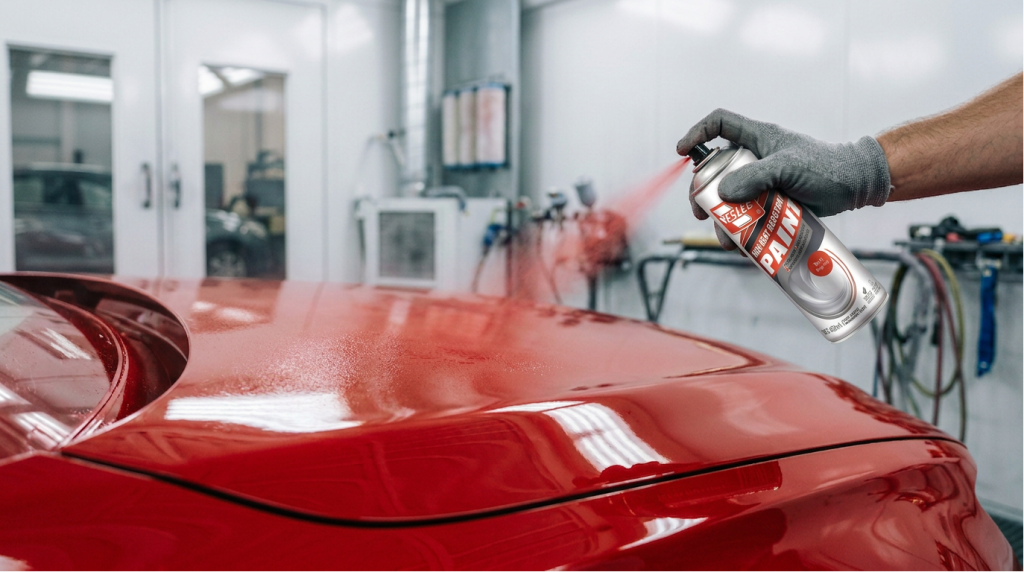
The finish—or sheen level—of your spray paint affects both aesthetics and functionality. Each finish type serves different purposes and creates distinct visual effects:
Gloss: Highly reflective, creates a mirror-like surface. Best for automotive parts, decorative items, and surfaces where maximum light reflection is desired. Shows imperfections more readily.
Semi-Gloss: A balanced option that provides moderate reflectivity while being more forgiving of surface imperfections. Ideal for trim, doors, and furniture.
Satin: Offers a soft, velvety sheen with low reflectivity. Popular for interior walls, cabinetry, and projects where a refined, understated look is preferred.
Matte/Flat: Non-reflective finish that hides surface imperfections well. Used for military equipment, stealth applications, and contemporary design projects.
Metallic: Contains metallic flakes that create a sparkling, luminous effect. Perfect for decorative projects, automotive accents, and craft applications.
Textured: Creates a tactile surface pattern. Useful for covering imperfections and adding grip to surfaces like tool handles or equipment housings.
Selecting the right aerosol spray paint comes down to understanding four key factors: paint type, surface compatibility, desired finish, and application environment. By carefully evaluating each of these elements against your specific project requirements, you'll achieve professional-quality results consistently.
Whether you're a DIY enthusiast tackling a weekend project or a procurement professional sourcing products for your business, taking the time to match the right spray paint to your needs is always worth the effort. And if you need guidance selecting the perfect product or developing a custom formulation, our team is here to help.
Developed a complete 12-product car care line for a Dubai-based automotive distributor.
Developed a complete 12-product car care line for a Dubai-based automotive distributor.
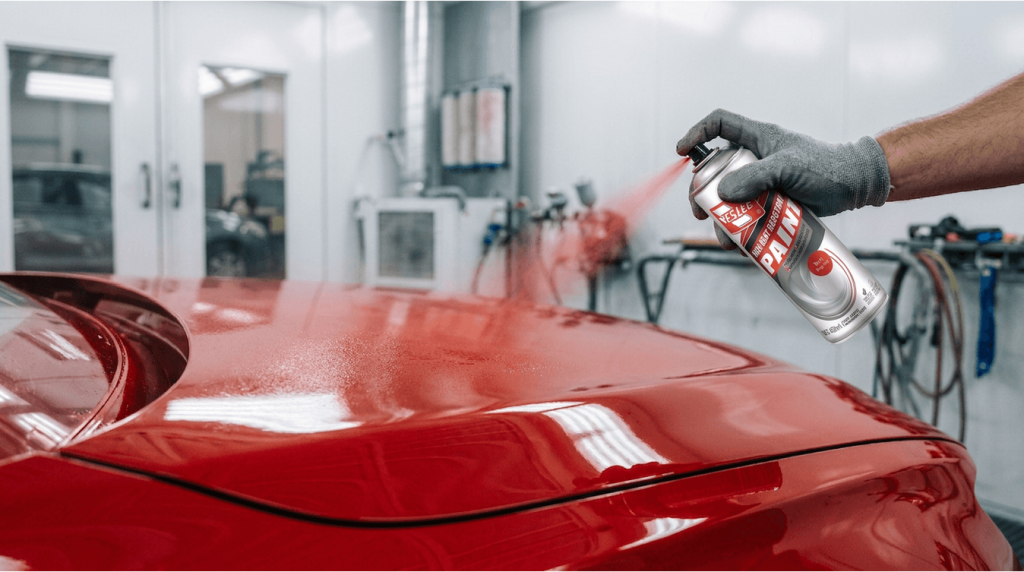
Developed a complete 12-product car care line for a Dubai-based automotive distributor.
Developed a complete 12-product car care line for a Dubai-based automotive distributor.
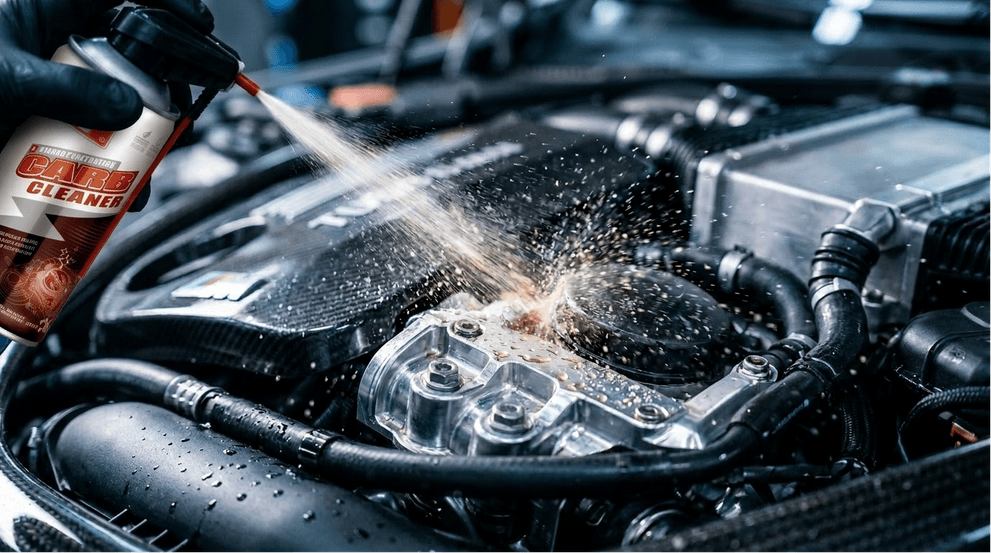
Developed a complete 12-product car care line for a Dubai-based automotive distributor.
Developed a complete 12-product car care line for a Dubai-based automotive distributor.

English
French

German

Portuguese

Spanish